Tag: Ice Skates
Safety Guide When Ice Skating
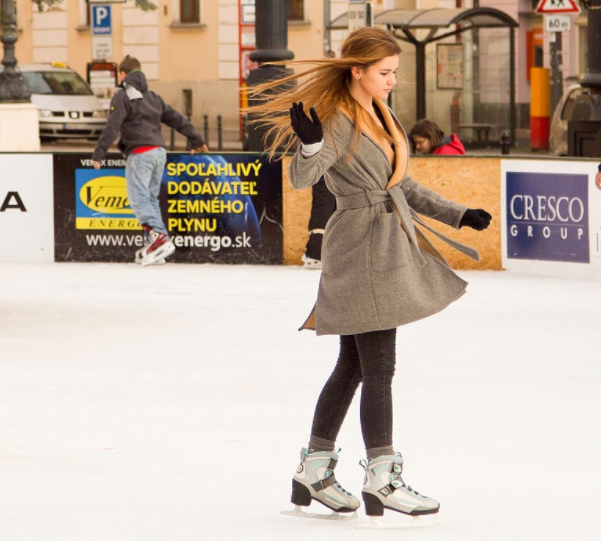
It’s exciting to glide across the ice and let the calm wind blow your nose. A skater can glide across the glistening snowy surface with just one push. Beginner skaters usually do not be afraid of getting hurt on the ice. They focus more on getting the best ice skates instead of a helmet. You can learn more about how to get the best ice skates at https://www.hockeyalways.com/best-ice-skates/.
Many people don’t know that skating can cause head injuries. Professional skaters often respond with “it doesn’t happen that often” and “I’ve never experienced it at our rink.” Statistics show that skaters have one of the highest rates of traumatic brain injury (TBI) in the country.
Facts About Skating
First, in 2011, the Centers for Disease Control studied more than 173,000 emergency department visits for concussions or other traumatic brain injuries in sports and recreational activities among children under age 19. In addition, the study included more than 30 categories of head injuries in sports and recreational activities. For most sports, 2-7% of annual emergency department visits were observed. For figure skating, traumatic brain injury was one of the most common sports for which a visit was made to the ED.
Figure skating accounts for 11.4% of head and brain injuries, with more than 1,600 cases per year. Mandatory helmet use in sports is controversial and contested. Insurance companies require skating centers to post signs at the entrance warning of potential risks. They also recommend that facilities not rent helmets, as proper fitting, inspection, and disinfection are in the owner’s hands and those of the end-user.
Goals and Standards of Ice Skating Helmets
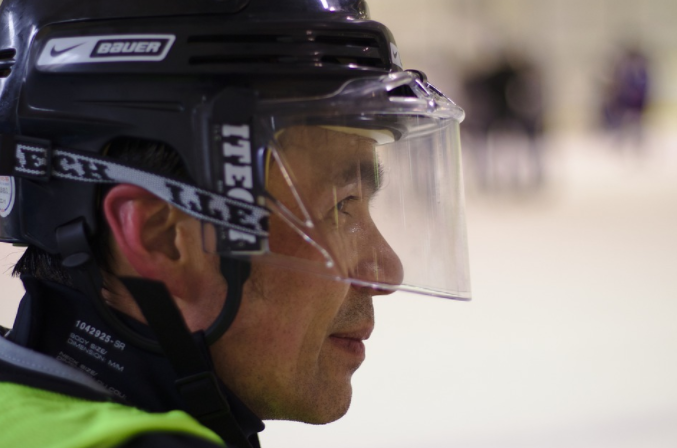
Helmets reduce the rate of deceleration and acceleration of the skull and brain upon impact. They act as a buffer between the force of the impact and the brain. A helmet distributes the point of impact to the protective foam and spreads it to the skull and scalp. This gives the brain more time to heal. Instead of focusing on one spot, the impact is distributed over the entire head.
Moreover, helmets are usually made of expanded polystyrene (EPS) with a hard shell. The shell is designed to glide over uneven surfaces and hold the foam together after impact. The helmet’s polystyrene shell crushes on impact and dissipates energy. The outer box may dent like a shipping box, but EPS foam packing blocks protect the contents from damage. A helmet whose foam is broken on the inside will not recover. Therefore, it is advisable to purchase a new helmet.
The helmet’s foam pads are there for comfort and fit. They do not provide impact protection. To ensure that the helmet fits properly, the person wearing the helmet must be present at the time of purchase. Different helmets offer different levels of protection and are rated according to impact and force. Regardless of speed, a helmet’s ability to absorb and dissipate the energy of an impact determines its helmet class. Based on head injury statistics and trends, safety guidelines for soccer, skiing, and ice hockey have been updated.
Benefits of Ice Skating
A skating rink is a place where children and adults can regularly go in their free time to have fun and exercise healthily and enjoyably. While it is not necessary to be an expert, knowing the ice well enough to have a positive social experience is essential. Participants must learn how to skate safely and use proper techniques to achieve this goal. Once they have mastered this technique, they will return to the facility again and again with their friends. People can find a place that is fun and a safe and enjoyable way to relieve stress.
However, to get all of these benefits, aside from wearing a proper helmet, you need to wear the right pair of ice skates. Understanding how to buy the best pair for you is essential. To do so, you can …
Read More