Tag: Fitness
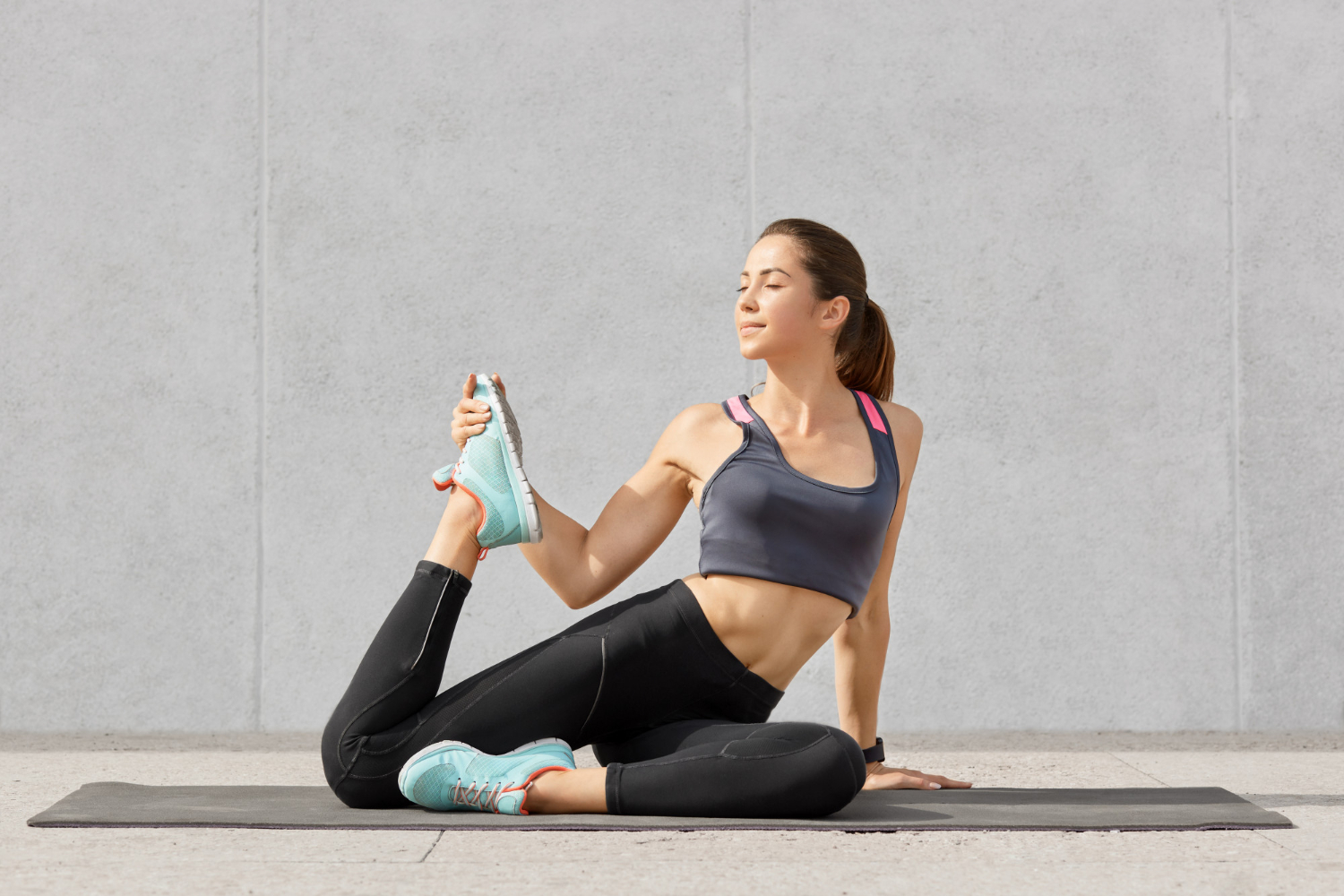
Short on Time? Here’s How to Stay Fit Without the Hours
Let’s face it—life gets busy. Between work, family, and everything else on your plate, it can feel nearly unattainable to cut out time for long gym sessions. But staying fit doesn’t have to mean dedicating hours to your workouts. In fact, with the right approach, you can maintain (or even improve) your health and energy levels with shorter, smarter routines. Whether you’ve got 20 minutes or just enough time for a quick walk around the block, it’s all about being intentional. Here’s how to keep your fitness on track, even when your schedule is packed.
Make the Most of Short Sessions

When you don’t have an hour to work out, the key is maximizing the time you do have. High-intensity interval training (HIIT), bodyweight circuits, or even a brisk walk can deliver serious benefits in a short window. For example, many people underestimate the impact of running 20 minutes every day on your health and fitness, but it’s been shown to boost cardiovascular endurance, reduce stress, and support fat loss—all without needing a full gym setup. When time is tight, it’s about quality over quantity.
Plan to Remove the Guesswork
If you only have 15–30 minutes for fitness, the last thing you want to do is waste time figuring out what to do. Having a simple, repeatable plan makes it easy to jump in and get moving. Whether it’s saving a few go-to YouTube workouts, writing out a short circuit, or using a fitness app, prepping your workouts ahead of time takes the mental load off—and increases your chances of actually doing them.
Stack Movement Into Your Day

You don’t always need one big workout block to stay active. Instead, look for opportunities to sneak movement into your existing routine. Take the stairs, stretch while you’re on work calls, or do a set of push-ups during a screen break. These micro-movements add up throughout the day and can help keep your metabolism active even if you don’t get in a traditional workout. Movement doesn’t have to be fancy—it just has to happen.
Focus on Compound Movements
If you’re short on time, choosing exercises that work multiple muscle groups at once is a smart move. Think squats, push-ups, lunges, and planks—these exercises engage more muscles, burn more calories, and save you time. A few rounds of full-body movements will do more for your strength and stamina than isolated exercises, and they’re easy to modify to fit your fitness level.
Consider Using Simple Equipment’s
Not having access to a gym shouldn’t be a dealbreaker. Some of the most effective workouts require zero equipment—just your body and a little space to move. Resistance bands, a yoga mat, or a single set of dumbbells can go a long way if you want to build a small home setup. But even without those, you can still get a great workout in. The goal is to remove as many barriers as possible.
Listen to Your Energy, Not Just Your Calendar
Even with a full schedule, some days your energy might be running low—and that’s okay. Fitness isn’t about pushing yourself to the limit every time; it’s about consistency over time. If a walk or stretching session is all you can manage, that’s still a win. The more you practice tuning in to your body, the easier it gets to make choices that support your long-term health without burning yourself out.
You don’t need to spend hours in the gym to stay fit—you just need a flexible approach that works with your lifestyle. Whether it’s a short daily run, a few bodyweight exercises between meetings, or a quick walk with a podcast, every bit counts. When you stop chasing perfection and start aiming for consistency, staying fit becomes a whole lot easier—and way more sustainable.…
Read More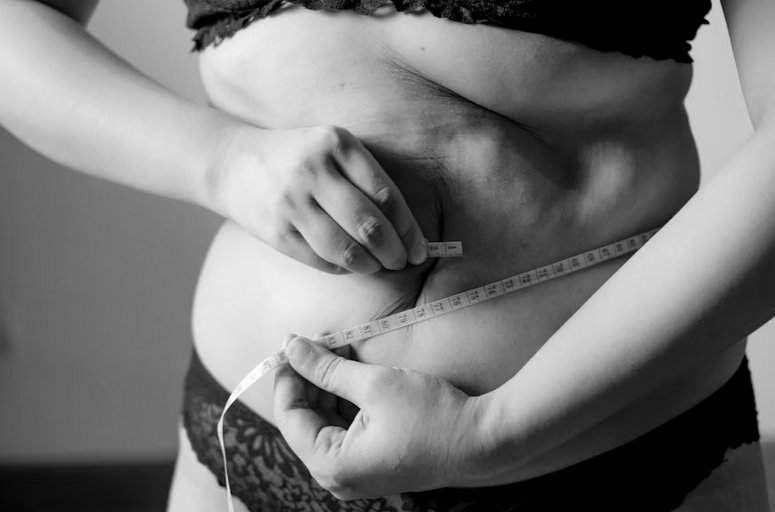
Losing Weight Safely Over 40: What Changes and What Works
If you’ve hit your 40s and suddenly feel like the scale won’t budge no matter what you do, you’re not imagining things. Weight loss after 40 is different—thanks to shifting hormones, a slower metabolism, and often, a busier life. But that doesn’t mean it’s impossible. Once you understand what’s changing and adjust your habits accordingly, losing weight can feel a lot less frustrating and a lot more doable. This isn’t about crash diets or unrealistic gym schedules—it’s about working with your body, not against it.
Understanding Why Weight Loss Feels Harder After 40
Our bodies naturally go through metabolic and hormonal changes as we age, and those shifts can affect everything from appetite to muscle mass. Estrogen levels in women begin to decline, which may lead to increased fat storage—especially around the midsection. Men may experience drops in testosterone, which can affect energy levels and body composition. On top of that, muscle mass tends to decrease over time, and less muscle means a slower resting metabolism. That’s why things that worked in your 20s might not cut it now. The good news? With a few thoughtful adjustments—and these four simple tips that support your weight loss journey—you can still make meaningful progress.
Rethinking Your Workouts
Gone are the days when endless cardio was the holy grail of weight loss. After 40, strength training becomes even more important. Building and maintaining muscle not only helps boost your metabolism but also supports joint health and posture, which become more important with age. That doesn’t mean you need to lift heavy weights every day—just incorporating resistance exercises a few times a week can make a big difference. And don’t overlook flexibility and balance work (like yoga or Pilates), which can improve mobility and prevent injury. The key is variety and consistency over intensity.
Prioritizing Protein and Balanced Nutrition

What you eat matters more than ever in your 40s. Your body might not process carbs and sugars as efficiently as it used to, and nutrient-dense meals become essential. Protein, in particular, should be a top priority. It helps preserve lean muscle mass, keeps you feeling full longer, and can even support metabolism. Aim for whole foods as much as possible—lean meats, legumes, healthy fats, veggies, and fiber-rich grains. And while cutting calories might be necessary, extreme restriction usually backfires. Instead, focus on balance and portion awareness.
Managing Stress and Sleep
Stress and lack of sleep can seriously derail weight loss efforts—especially after 40. Chronic stress triggers cortisol, a hormone linked to increased belly fat and sugar cravings. Add poor sleep into the mix, and your hunger and fullness signals get completely thrown off. Prioritizing rest and finding ways to unwind—whether that’s meditation, walking, or simply unplugging for an hour a day—can be more powerful than you think. If you’re stuck, it’s worth looking at how your daily routine supports (or sabotages) your physical and mental recovery.
Tracking Progress Beyond the Scale

After 40, your body might not respond to changes as quickly as it once did—and that’s okay. Instead of obsessing over the number on the scale, pay attention to how your clothes fit, how much energy you have, how well you’re sleeping, and your ability to move comfortably. These non-scale victories are often more reliable and motivating. Long-term success comes from building habits that support a healthy lifestyle, not chasing quick results.
Losing weight safely over 40 isn’t about fighting your body—it’s about adapting to it. What worked in your younger years might need tweaking, but that doesn’t mean progress is off the table. With smart nutrition, movement that supports your strength and flexibility, and a mindset focused on long-term wellness, you can see results. More importantly, you’ll feel better, stronger, and more in control of your health. Your 40s can be a powerful time to reconnect with your body in a sustainable, supportive way—and that journey starts with small, intentional steps.…
Read More
Nutritionist-Approved Diets That Help with Diabetes Management
Managing diabetes doesn’t have to feel like solving a puzzle without the picture on the box. Food choices play a major role in blood sugar control, and the right eating plan can simplify daily decisions. Nutritionists often recommend specific diets that support steady energy, weight balance, and better glucose levels. These diets aren’t about strict rules or complicated food charts. They offer real strategies that fit into daily life. With the right guidance and a little trial and error, eating well for diabetes becomes second nature.
The Mediterranean Diet: Flavor Meets Function
The Mediterranean diet often tops the list for good reason. It’s full of colorful vegetables, beans, fish, and healthy fats like olive oil. This eating style has been linked to better blood sugar stability and improved heart health. For someone living with diabetes, this combo is a win-win. The meals are satisfying without being heavy, and there’s plenty of room for variety. You could enjoy a grilled salmon salad one night and a hearty vegetable stew the next. It’s not about giving things up—it’s about enjoying food with intention.
Keto Diet: Low-Carb, High Impact

The ketogenic diet flips traditional eating upside down. It drastically cuts carbs and replaces them with fats. This forces the body to burn fat instead of sugar for energy. Many people with diabetes see improvements in blood glucose because of the low carb load. However, it’s important to do keto the right way—bacon and butter alone won’t cut it. Nutritionists suggest including whole foods like avocados, eggs, nuts, and non-starchy vegetables. Even something as satisfying as an easy keto-friendly chopped cheese recipe can fit into the plan. It’s a bold approach, and while it’s not for everyone, some find it a game-changer.
DASH Diet: Steady and Reliable
Originally developed to fight high blood pressure, the DASH diet has shown benefits for diabetes, too. It highlights fruits, vegetables, lean proteins, and low-fat dairy. This diet steers you away from salty snacks and sugary drinks. Instead, it leans into whole foods that help your body stay balanced. The beauty of the DASH diet is in its predictability. You won’t be guessing what to eat—meals are straightforward and repeatable. It’s great for those who want structure without sacrificing variety.
Plant-Based Eating: Natural and Nourishing

Going plant-based doesn’t mean giving up satisfaction. It often means feeling fuller and longer and improving digestion. Fiber-packed foods like lentils, chickpeas, and leafy greens slow the rise of blood sugar after meals. That helps reduce those frustrating energy crashes. Many nutritionists encourage plant-based meals because they’re rich in nutrients without the extra calories. You don’t need to go 100% vegan to see benefits. Even replacing a few meals a week with plant-based dishes can make a difference.
Diabetes management doesn’t have a one-size-fits-all answer, but smart food choices are always part of the equation. Whether you lean into the Mediterranean diet, experiment with keto, commit to DASH, or try plant-based options, the goal is simple: better blood sugar control and a better relationship with food. You don’t need to be perfect. You just need to stay curious and keep trying. Listen to your body and adjust as needed. The right diet should support your life, not control it. And remember—every small step counts, even the ones that start with breakfast.…
Read More
4 Reasons to Exercise Everyday
It’s no secret that exercise is good for you. In fact, it’s one of the most important things you can do for your health. People who exercise regularly are more likely to be healthy and have less chronic diseases. But did you know that there are other benefits to exercising everyday? Here are four reasons why you should make exercise a part of your daily routine.
To Increase Energy Levels
 Exercise has been shown to increase energy levels and help fight fatigue. If you feel tired during the day, a quick workout may be just the solution. But if you want to boost your energy, you should incorporate some daily positive habits. This has been very effective, and many people are doing it today. You just need to be consistent with it. When you are consistent with your workout routine, it will become a habit.
To Improve Sleep Quality
If you’re struggling with insomnia or other sleep issues, exercise may be able to help. Studies have shown that regular exercise can improve sleep quality and help you fall asleep faster. So if you’re having trouble sleeping, a daily workout may be just what you need. Many professionals are now using this method to improve their sleep quality. You can then compare it to other methods and see if it works for you.
To Reduce Stress Levels
Exercise is a great way to reduce stress levels. If you’re feeling overwhelmed or stressed, a workout can help you clear your head and relax. But exercise isn’t just good for reducing stress levels at the moment. It can also help you manage stress in the long term. Studies have shown that regular exercise can help reduce stress and anxiety. So if you’re looking for a way to manage your stress, exercise may be a good option for you.
To Boost Immune System
 Exercise has also been shown to boost the immune system. If you’re looking for a way to stay healthy, exercise may be just what you need. Studies have shown that regular exercise can help improve your immune system. So if you’re looking for a way to stay healthy and avoid getting sick, exercise may be a good option for you. Many medical professionals now advise their patients to exercise regularly.
Though the benefits of exercise are vast and well-known, it can still be hard to make time for a workout routine. We hope that by highlighting four major reasons to exercise every day, we’ve helped make a case for squeezing in at least thirty minutes of activity each day. If you’re looking for more motivation, consider how exercise can improve your physical health and mental well-being, daily productivity, relationships, and self-confidence. It truly is amazing what a little movement can do. How will you commit to exercising every day this week? Please share it with us in the comments.…
Read More
The Health Benefits of Aerobic Exercise
Unlike any exercise, aerobic exercise is any exercise that fosters the flow of oxygen throughout your system over some time. Improving your circulation will result in your heart pumping a little faster and will make you breathe harder. If you want to try aerobic exercise, check https://www.girl.com.au/beginners-guide-to-aerobic-exercise.htm. And what’s even better is aerobic exercise is very accessible. You can enjoy aerobic exercise in your living area, in the gym, on the pavement, or even in the pool. And better nevertheless –you will reap the following benefits.
Improves Heart Health
 The heart is one of the most important organs in the body that needs to stay healthy. Since heart disease is the leading usual cause of death, it’s important to focus on keeping your heart in great shape. Aerobic exercise helps improve blood circulation throughout the body and also increases the efficiency of the heart’s output.
Helps Maintain Weight
Achieving and maintaining your desired weight depends largely on the foods you eat and making nutrition a priority in your health plan. But one thing that will help in the tradition of weight reduction or maintenance is aerobic exercise. While you can take aerobic and resistance training, and resistance training, aerobic exercise proved best at reducing body mass and fat. Therefore, balance is crucial. However, make sure that an aerobic workout becomes an essential part of your routine.
Enhances Mood
 According to Psychiatry.org, nearly one in five people suffer from an emotional illness. Some of them suffer from depression and anxiety, as well as other disorders that affect their daily mood. In one study, aerobic exercise decreased signs of depression in participants at a higher rate than those who were not assigned to aerobic exercise. Still – to be clear – a little exercise is good enough for mood.
Boosts Self Confidence
The moment we feel better about ourselves, we are likely to do our best, walk a little taller, and face the day with more confidence. This transfers into your daily life, making you more capable, more present for your loved ones, and generally happier. When you start to feel positive, you may start to want to make healthier choices. Unlike your health for employment, this will be something you will look forward to moving forward.
Makes You Stronger
 Sometimes that’s what we want from a workout: to get stronger. And if you practice an aerobic exercise routine, then you can. This is one of the most important benefits of incorporating rowing into your routine. Your muscles and ligaments will become stronger, which will help you walk farther, lift more weight, and keep your posture intact as you age.…