Losing Weight Safely Over 40: What Changes and What Works
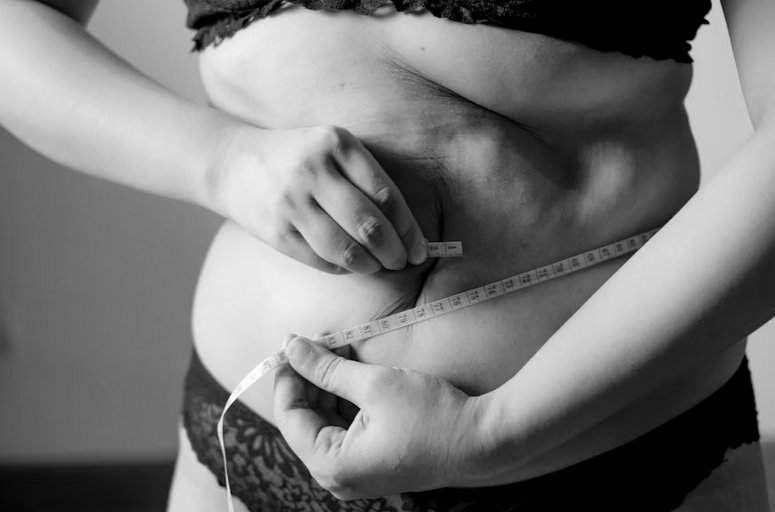
If you’ve hit your 40s and suddenly feel like the scale won’t budge no matter what you do, you’re not imagining things. Weight loss after 40 is different—thanks to shifting hormones, a slower metabolism, and often, a busier life. But that doesn’t mean it’s impossible. Once you understand what’s changing and adjust your habits accordingly, losing weight can feel a lot less frustrating and a lot more doable. This isn’t about crash diets or unrealistic gym schedules—it’s about working with your body, not against it.
Understanding Why Weight Loss Feels Harder After 40
Our bodies naturally go through metabolic and hormonal changes as we age, and those shifts can affect everything from appetite to muscle mass. Estrogen levels in women begin to decline, which may lead to increased fat storage—especially around the midsection. Men may experience drops in testosterone, which can affect energy levels and body composition. On top of that, muscle mass tends to decrease over time, and less muscle means a slower resting metabolism. That’s why things that worked in your 20s might not cut it now. The good news? With a few thoughtful adjustments—and these four simple tips that support your weight loss journey—you can still make meaningful progress.
Rethinking Your Workouts
Gone are the days when endless cardio was the holy grail of weight loss. After 40, strength training becomes even more important. Building and maintaining muscle not only helps boost your metabolism but also supports joint health and posture, which become more important with age. That doesn’t mean you need to lift heavy weights every day—just incorporating resistance exercises a few times a week can make a big difference. And don’t overlook flexibility and balance work (like yoga or Pilates), which can improve mobility and prevent injury. The key is variety and consistency over intensity.
Prioritizing Protein and Balanced Nutrition
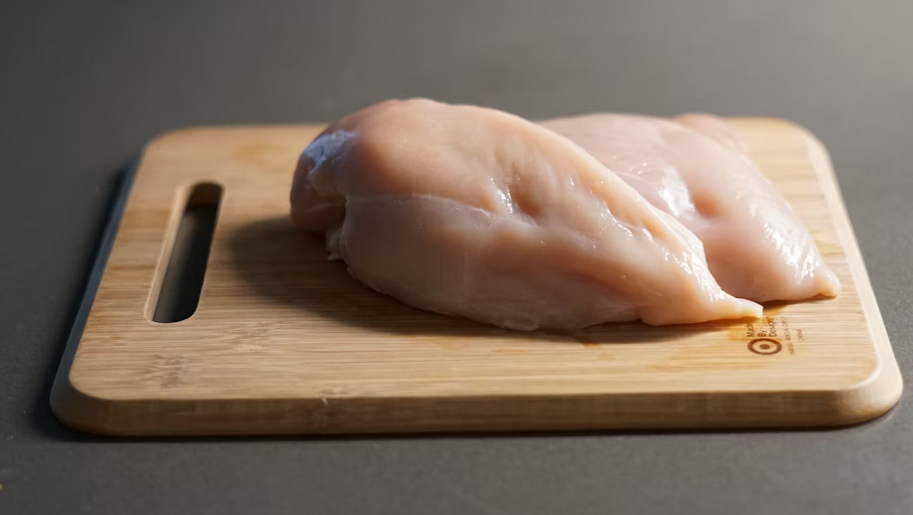
What you eat matters more than ever in your 40s. Your body might not process carbs and sugars as efficiently as it used to, and nutrient-dense meals become essential. Protein, in particular, should be a top priority. It helps preserve lean muscle mass, keeps you feeling full longer, and can even support metabolism. Aim for whole foods as much as possible—lean meats, legumes, healthy fats, veggies, and fiber-rich grains. And while cutting calories might be necessary, extreme restriction usually backfires. Instead, focus on balance and portion awareness.
Managing Stress and Sleep
Stress and lack of sleep can seriously derail weight loss efforts—especially after 40. Chronic stress triggers cortisol, a hormone linked to increased belly fat and sugar cravings. Add poor sleep into the mix, and your hunger and fullness signals get completely thrown off. Prioritizing rest and finding ways to unwind—whether that’s meditation, walking, or simply unplugging for an hour a day—can be more powerful than you think. If you’re stuck, it’s worth looking at how your daily routine supports (or sabotages) your physical and mental recovery.
Tracking Progress Beyond the Scale

After 40, your body might not respond to changes as quickly as it once did—and that’s okay. Instead of obsessing over the number on the scale, pay attention to how your clothes fit, how much energy you have, how well you’re sleeping, and your ability to move comfortably. These non-scale victories are often more reliable and motivating. Long-term success comes from building habits that support a healthy lifestyle, not chasing quick results.
Losing weight safely over 40 isn’t about fighting your body—it’s about adapting to it. What worked in your younger years might need tweaking, but that doesn’t mean progress is off the table. With smart nutrition, movement that supports your strength and flexibility, and a mindset focused on long-term wellness, you can see results. More importantly, you’ll feel better, stronger, and more in control of your health. Your 40s can be a powerful time to reconnect with your body in a sustainable, supportive way—and that journey starts with small, intentional steps.
If you’ve hit your 40s and suddenly feel like the scale won’t budge no matter what you do, you’re not imagining things. Weight loss after 40 is different—thanks to shifting hormones, a slower metabolism, and often, a busier life. But that doesn’t mean it’s impossible. Once you understand what’s changing and adjust your habits accordingly,…